


The way you approach a client is the training
Why coaching is not what you say, but how you say it
Anna Maria Vamvakidou | Pilates Instructor & Movement Specialist
What I See in Practice
The more I work with people, the clearer a specific pattern becomes. People who have already tried to exercise, followed programs, and listened to instructions and yet still say:
“I don’t get it” or “I can’t do it properly.”
At that point, the easy explanation is to assume that the client lacks body awareness or isn’t trying hard enough. In practice, however, that is very often not the issue.
Coaching Is Not Just Instruction
Training is not just a set of exercises. It is a process of guidance.
The way you speak, the way you explain, and the way you move in front of the client are part of the training itself. They are not secondary.
The same exercise can produce completely different outcomes depending on how it is delivered.
If They Don’t Understand, It’s Not Their Fault
One of the most important principles in coaching is this:
If the client doesn’t understand, it’s not their fault.
It is an indication that the guidance was not clear enough, not adapted enough, or not specific enough. The role of the trainer is not just to demonstrate an exercise, but to translate information into something the other person can feel and apply.
The Way You Speak Shapes the Outcome
The words you use matter.
An instruction can be technically correct but create no understanding in the client’s body. On the other hand, a simple and well-targeted phrase can completely change execution.
Coaching is not a display of knowledge. It is communication that leads to results.
Demonstration Is Not Enough
Showing an exercise does not mean the other person has understood it.
Every body is different, and every person perceives movement in a different way. This means that guidance must constantly adapt.
There is no single explanation that works for everyone.
Coaching Is Observation
Coaching begins with observation. Before you correct, you need to see. Before you explain, you need to understand.
What is the body doing? Where does it lose control? Where does it compensate?
Without this process, training becomes generic rather than effective.
Precision Over Complexity
There is often a tendency to give too much information at once. In practice, the opposite works better. One clear and specific cue is more valuable than many general ones.
Precision in coaching creates precision in movement.
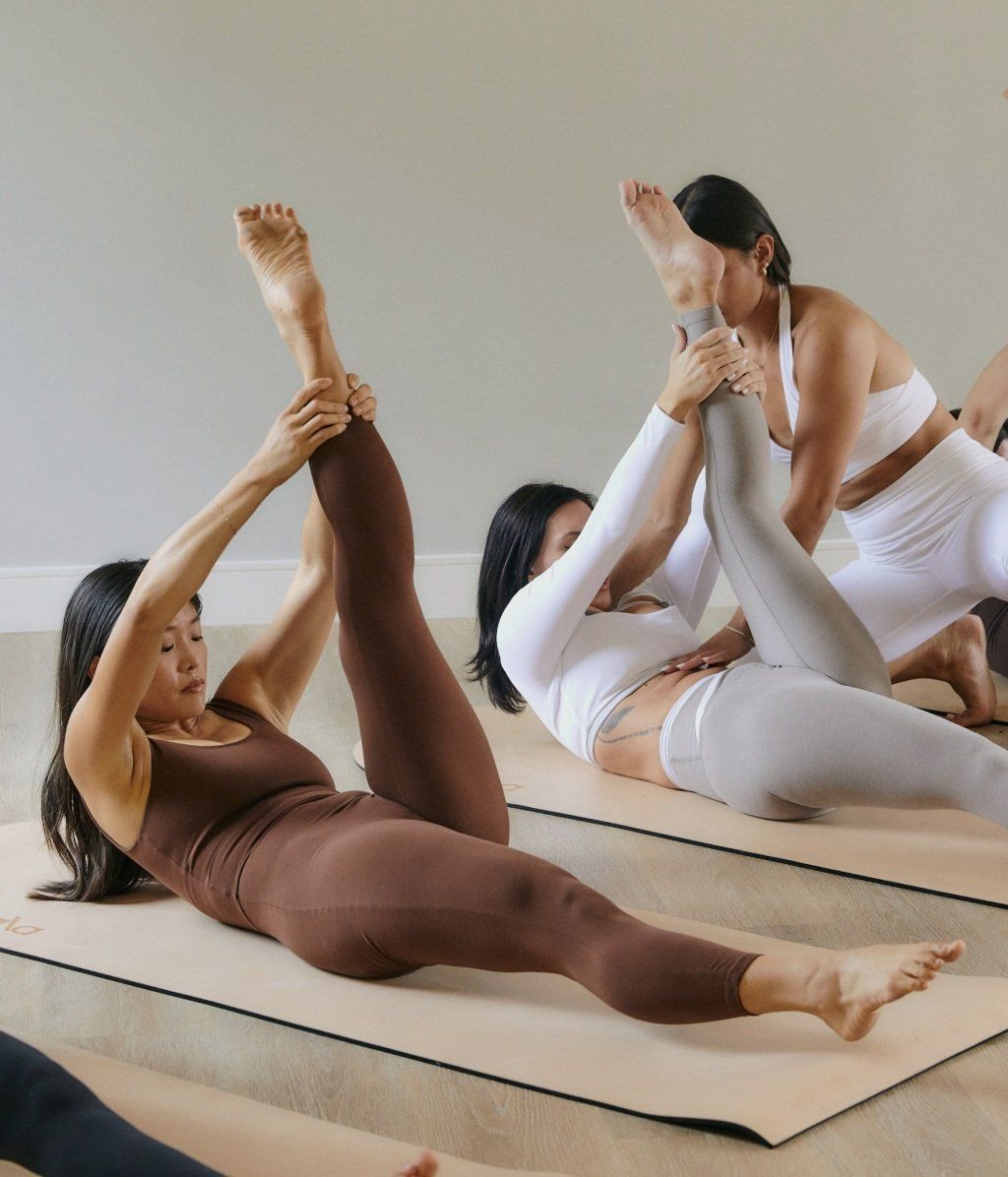
The Relationship Between Trust and Movement
The way you coach affects how a person feels in their body.
When there is clarity, the client feels safe. And when there is safety, they can move better.
Movement is not only a mechanical process, it is also an experience.
What Actually Defines a Good Trainer
A good trainer is not the one who knows the most exercises.
It is the one who can adapt, observe, and guide. The one who can take something complex and make it understandable.
And ultimately, the one who can help a person feel the movement—not just perform it.
The Key Principle
If this had to be summarized in one sentence:
Training is not only what you do. It is how you are guided to do it.
Final Thought
The way you speak, explain, and move as a trainer is not a detail. It is the training itself.
And very often, what appears to be the client’s difficulty is actually an opportunity for better coaching.
If you’d like to explore how this approach changes training in practice, we can work on it together.
References
The above insights are grounded in coaching science, motor learning, and the relationship between communication and movement execution.
- National Strength and Conditioning Association (2021). Essentials of Strength Training and Conditioning
- Schmidt, R. A., & Lee, T. D. (2011). Motor Control and Learning
- Motor Learning — principles of feedback and instruction
- Coaching Science — communication and athlete development