

Pilates or weights? What your body actually needs
Strength vs control and why you might need both
Anna Maria Vamvakidou | Pilates Instructor & Movement Specialist
What I See in Practice
One of the most common questions that comes up in training is whether someone should choose Pilates or weight training. They are often presented as two different directions, almost as if you have to choose one over the other.
In reality, however, the body doesn’t function in such divisions.
The Way We Tend to Think About Training
Weights are often associated with strength, while Pilates is seen as something gentler or more “corrective.” This perspective is oversimplified and, in many cases, limiting.
Because the real question is not which type of training is better—but what the body needs at each stage.
What Strength Training Actually Does
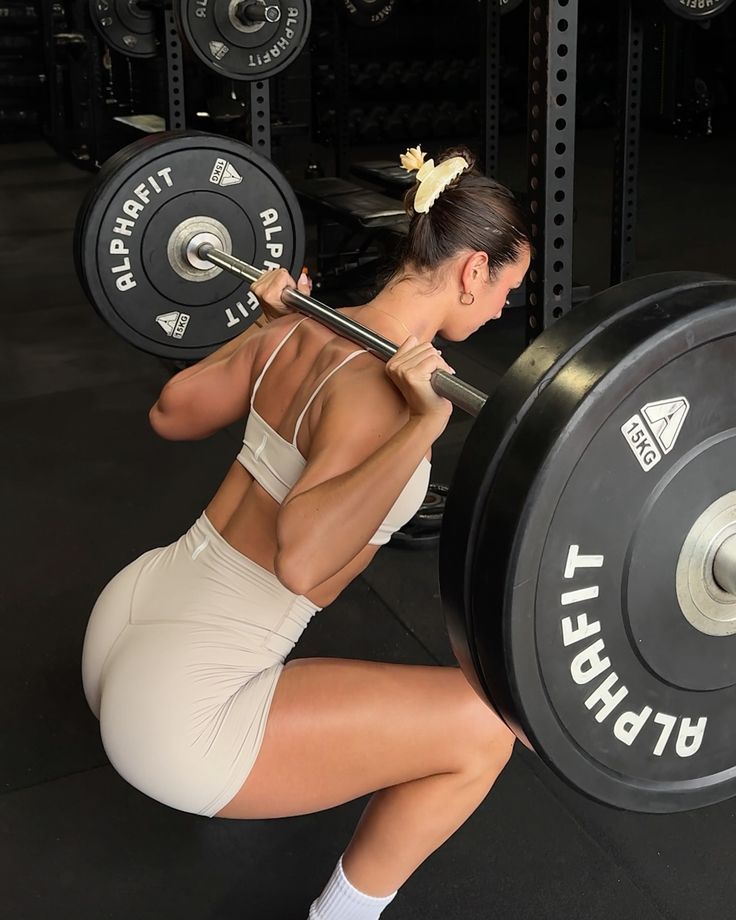
Weight training is a highly valuable tool. It contributes to increased strength, improved body composition, and overall physical fitness.
However, developing strength does not necessarily mean better movement control. A body can be strong but still not direct that strength effectively.
What Pilates Brings Into the Picture
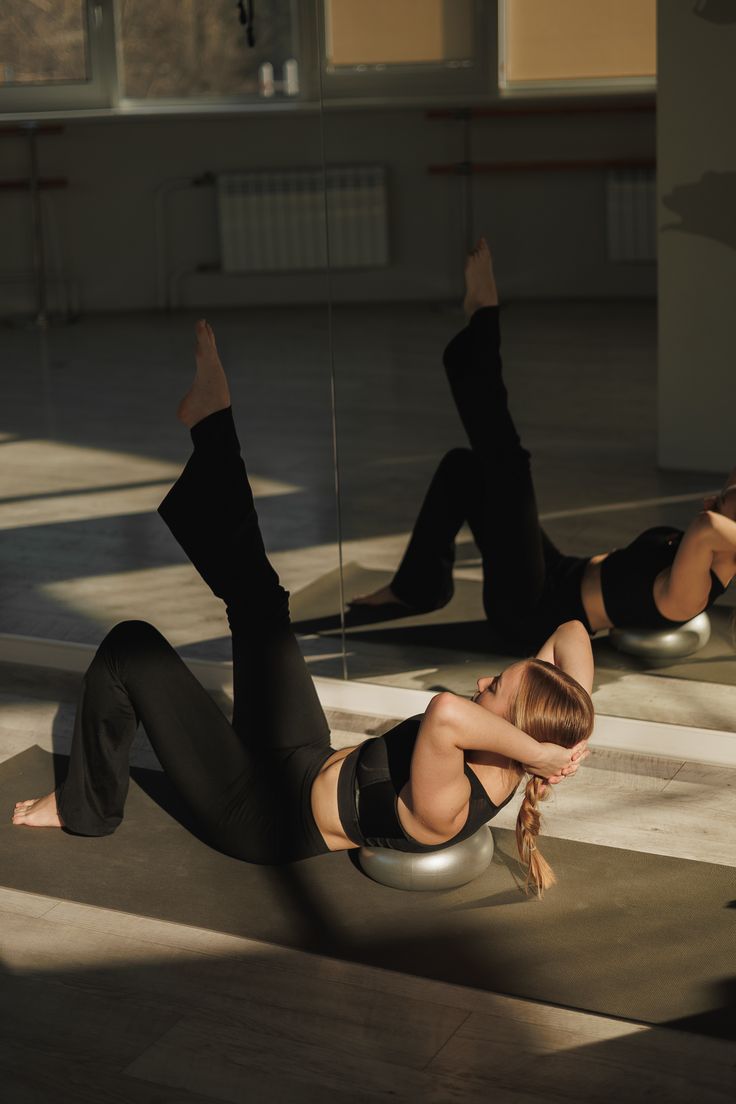
Pilates operates on a different level. It’s not just about whether strength exists, but how it is used.
It develops control, stability, and alignment, helping the body organize movement more efficiently.
It doesn’t just teach you to move, it teaches you to move with precision.
When Strength Is Not Enough
In many cases, the issue is not a lack of strength, but how that strength is expressed. When sufficient control is missing, the body creates compensations and shifts load to areas that cannot manage it properly.
This is often where discomfort, limitations, or injuries appear.
Not Opposites, but Complementary
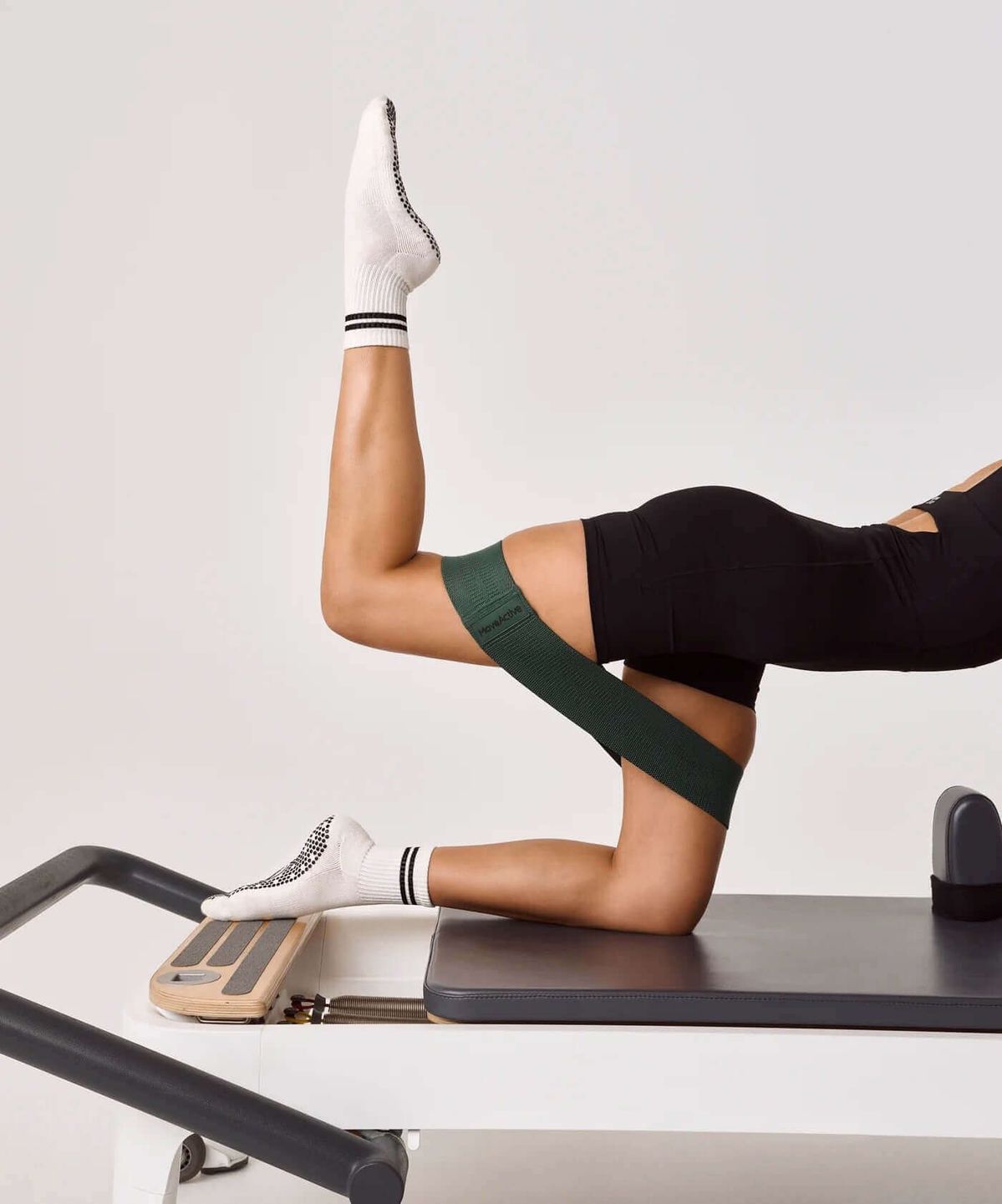
This doesn’t have to be a debate. Weights and Pilates are not in competition—they are complementary.
Strength without control is not functional. And control without strength has limitations.
The body needs both.
The Role of Progression
The order in which these elements are introduced matters. In a body that lacks sufficient control, adding load too soon can reinforce faulty patterns.
On the other hand, when movement is organized first and load is introduced progressively, training becomes more effective and safer.
What Actually Matters
What determines the outcome is not the choice between Pilates and weights, but how they are used.
The quality of movement, precision in execution, and proper guidance are what make the difference.
The Key Principle
If this had to be summarized in one sentence:
The body doesn’t need more exercise—it needs better exercise.
Final Thought
The question is not whether you should choose Pilates or weights. The question is what your body needs right now, and how you can approach it in a way that develops it rather than simply loading it.
Because ultimately, results don’t come from intensity alone, but from the quality with which it is applied.
The way you train defines the outcome. If you want to understand what your body truly needs and work on it with direction, we can explore it together in practice.
Anna Maria Vamvakidou
References
The above insights are grounded in current research on strength training, movement quality, and neuromuscular control.
- World Health Organization (2020). Guidelines on physical activity and sedentary behaviour
- American College of Sports Medicine (2021). ACSM’s Guidelines for Exercise Testing and Prescription
- National Strength and Conditioning Association (2021). Essentials of Strength Training and Conditioning
- Schmidt, R. A., & Lee, T. D. (2011). Motor Control and Learning